
Travel Photography : How to Choose the Right Gear
They say a picture is worth a thousand words — and what better way to capture your best travel moments than with the right camera?



Which Camera Is Right for You?
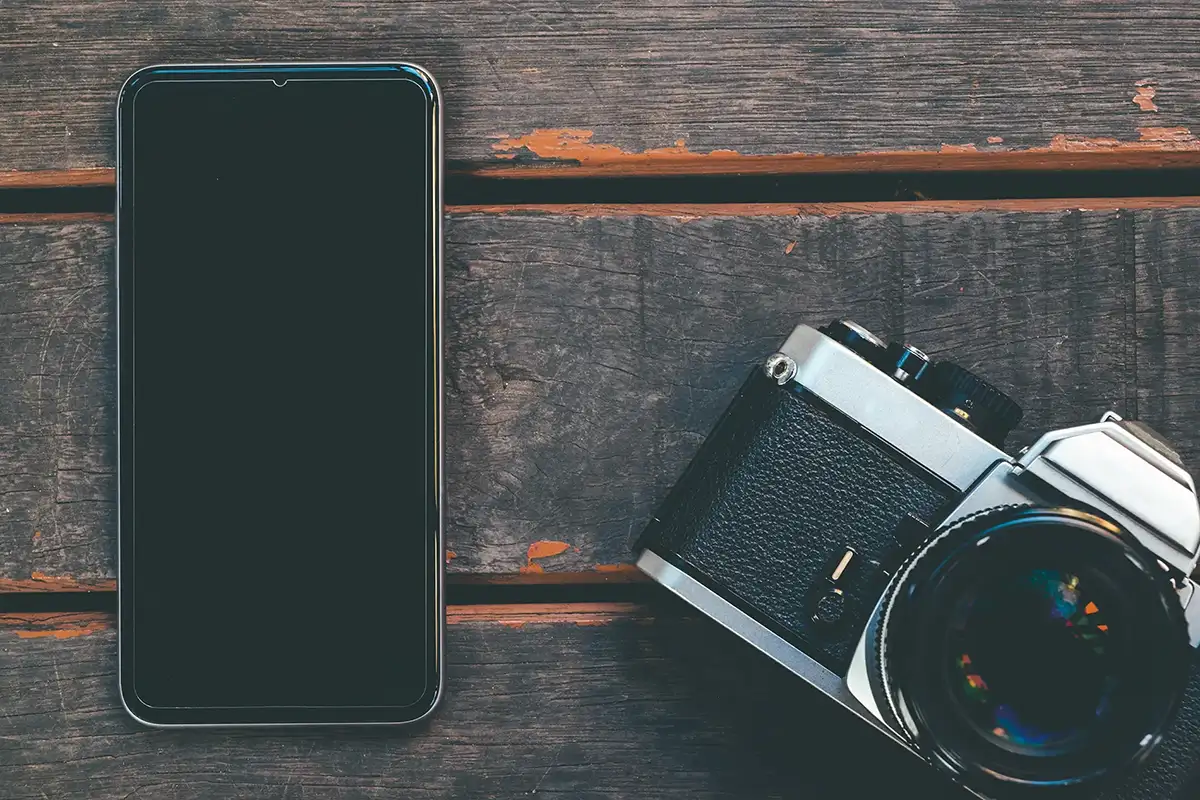
Types of Cameras: DSLR, Mirrorless, or Smartphone?
DSLR Cameras — The Choice of Purists
DSLRs remain the go-to option for demanding photographers.
Their large sensors deliver outstanding image quality, even in low light.
They also support a wide range of interchangeable lenses, ideal for sports, wildlife, or professional travel photography.
The trade-off? Weight and bulk — DSLRs are powerful, but far from discreet.
Advantages:
-
Superior image quality thanks to large sensors
-
Huge range of specialized lenses
-
Optical viewfinder with zero lag
-
Excellent battery life
Drawbacks:
-
Heavy and bulky to carry
-
Less practical for video
-
Higher total cost (body + lenses)
Mirrorless Cameras — Lightweight and Powerful
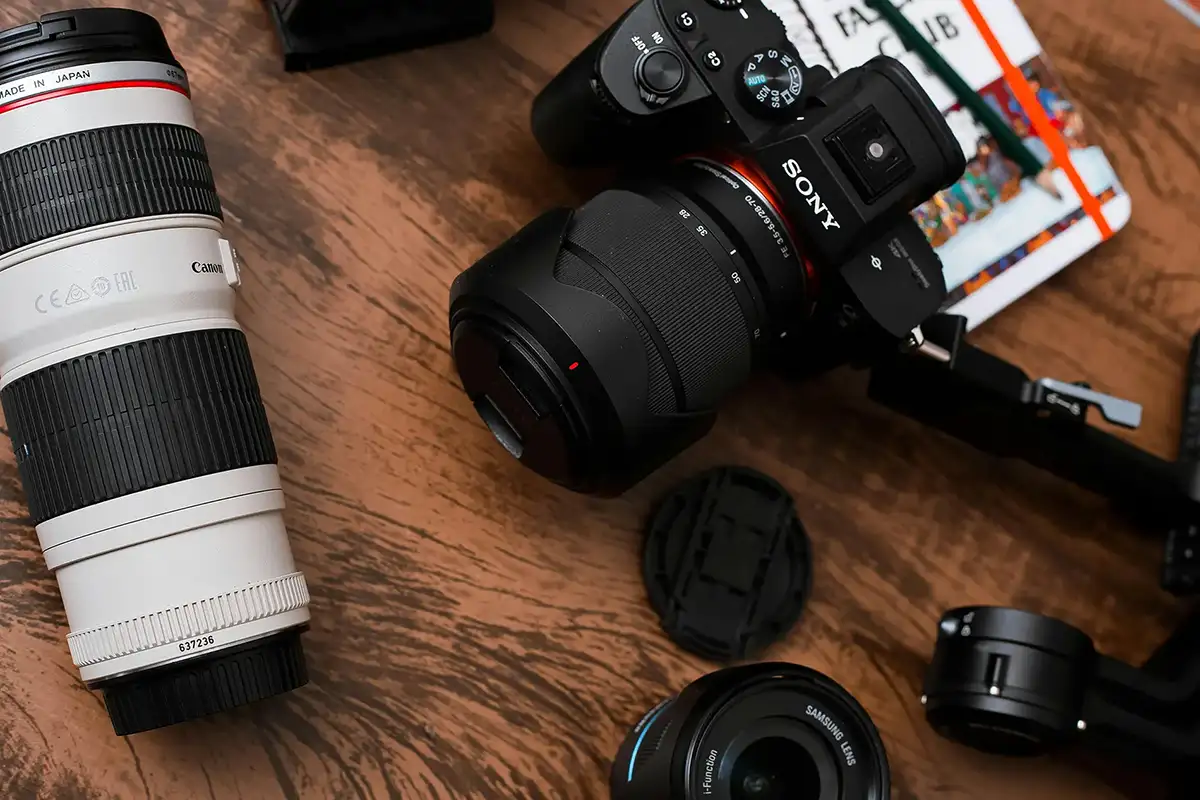
Mirrorless systems combine DSLR-level quality with portability.
By removing the internal mirror, they shed weight while keeping impressive image detail.
Modern autofocus systems are fast and reliable, perfect for travel.
Brands like Sony Alpha, Fujifilm X, and Canon R now dominate this segment — making mirrorless cameras the best all-around choice for most travelers.
Advantages:
-
Compact, lightweight design — ideal for travel
-
Image quality close to DSLRs
-
Great video options (4K, flip screens)
-
Fast and precise autofocus
Drawbacks:
-
Shorter battery life
-
Smaller lens selection (but growing fast)
Advanced Compacts — Discreet and Reliable
Between mirrorless and smartphones, high-end compact cameras strike an excellent balance.
Models like the Sony RX100 VII are small, light, and powerful — perfect for travelers who want quality without bulk.
The result: crisp, professional shots in a truly pocket-sized format.
Smartphones — Everyday Simplicity
Modern smartphones have become legitimate travel cameras.
Their blend of AI and multiple sensors improves every year, making mobile photography surprisingly capable.
Night mode, portrait blur, and HDR effects deliver impressive results — but limitations remain in manual control and low-light performance.
Advantages:
-
Always within reach
-
Built-in AI optimizes every shot
-
Instant sharing on social media
Drawbacks:
-
Smaller sensors = less detail
-
Limited manual control
-
Struggles in low light
In Summary
-
DSLRs deliver raw power and image quality.
-
Mirrorless cameras strike the best balance of performance and portability.
-
Compacts focus on discretion and convenience.
-
Smartphones excel at spontaneity and sharing.
In the end, the best camera is the one you’ll actually take everywhere with you.
| Model | Sensor | Weight | Highlights | Recommended Use | Price (approx.) |
|---|---|---|---|---|---|
| Sony A6400 | APS-C 24 MP | ~403 g | Very fast AF, compact, reliable | All-rounder, video/vlog | €900–€1,200 |
| Lumix G9 II M4/3 | Micro Four Thirds 25 MP | ~658 g | Excellent stabilization, ergonomics, durability | Light action, nature, travel | €1,400–€1,800 |
| Fujifilm X-E5 | APS-C 26 MP | ~414 g | Fuji color science, light, discreet | Street, minimalist travel | €1,400–€1,700 |
| Model | Sensor | Weight | Highlights | Recommended Use | Price (approx.) |
|---|---|---|---|---|---|
| Sony A7 IV | Full-frame 33 MP | ~659 g | Versatile photo/video, dynamic range | Weddings, portraits, travel | €2,200–€2,600 |
| Sony A7R V 61 MP | Full-frame 61 MP | ~723 g | Ultra-high resolution, sharpness | Landscape, studio, large prints | €3,600–€4,200 |
| Nikon Z6 III | Full-frame 24 MP | ~710 g | Modern AF, 6K video | Hybrid photo/video | €2,400–€2,900 |
| Canon EOS R5 | Full-frame 45 MP | ~738 g | Pro AF, 8K, durability | Demanding all-round pro | €2,900–€3,600 |
| Model | Sensor | Weight | Highlights | Recommended Use | Price (approx.) |
|---|---|---|---|---|---|
| Sony RX100 VII | 1″ 20 MP | ~302 g | 24–200 zoom, pocket size | City trips, discreet vlogging | €900–€1,200 |
| Lumix LX100 II | Micro Four Thirds, multi-aspect | ~392 g | Fast f/1.7–2.8 lens | Travel, low light | €900–€1,200 |
| Fujifilm X100VI IBIS | APS-C 40 MP | ~521 g | 23 mm (35 mm eq.), cinematic look | Street, documentary, travel | €1,700–€2,100 |
The Ultimate Travel Combo: Three Essential Lenses for Every Photographer
When you’re on the road, a good photographer doesn’t need a bag full of gear.
Three well-chosen lenses can easily cover all situations — landscapes, portraits, street scenes, or action shots.
The goal is to find the perfect balance between versatility and portability.
1. Fast Prime Lens – The Classic 50mm
Let’s start with a must-have: the 50mm f/1.8 (or f/1.4 if budget allows).
It’s light, compact, and bright — perfect for shooting even when the sun is low.
This lens excels in portraits, urban scenes, and travel photography, offering a smooth, natural bokeh that makes subjects stand out beautifully.
Recommended 2025 models:
-
Sony FE 50mm f/1.4 GM
-
Canon RF 50mm f/1.8 STM
-
Fujifilm XF 35mm f/1.4 R
2. Wide-Angle Lens – Perfect for Landscapes and Architecture
When exploring dense cities or vast scenery, a wide-angle lens quickly becomes essential.
It helps you fit everything in the frame, from narrow alleys to towering peaks.
A 16–35mm f/4 is a solid all-rounder, while an f/2.8 version performs better during sunrise or sunset.
Some photographers go even wider — 12–24mm — for dramatic perspectives.
Top 2025 picks:
-
Sony 16–35mm f/2.8 GM II
-
Canon RF 15–35mm f/2.8 L IS USM
-
Nikon Z 17–28mm f/2.8
3. Telephoto Lens – For Action and Distant Details
For distant subjects, a 70–200mm f/4 is hard to beat.
It lets you isolate your subject without getting too close and delivers excellent sharpness.
Perfect for wildlife, events, or architectural details, this lens remains relatively lightweight for travel.
Recommended options:
-
Sony 70–200mm f/4 G II
-
Canon RF 70–200mm f/4 L IS USM
-
Nikon Z 70–180mm f/2.8
Too Heavy? Try a Simpler Setup
Carrying three lenses sounds great in theory — but in practice, every gram counts.
If you prefer to travel light (and avoid swapping lenses every few minutes), two versatile zooms can easily replace the classic trio without major compromise.
1. 24–70mm f/4 or f/2.8 – The True All-Rounder
The 24–70mm is arguably the most versatile travel lens.
It covers portraits, landscapes, street shots, and everyday scenes with ease.
The f/4 version is lighter and more affordable, while the f/2.8 offers better low-light performance but adds some weight.
Top models for 2025:
-
Sony 24–70mm f/2.8 GM II
-
Canon RF 24–70mm f/2.8 L IS USM
-
Nikon Z 24–70mm f/4 S
2. 24–105mm f/4 – Flexibility Above All
If you want more reach without changing lenses, the 24–105mm f/4 is a safe bet.
Its extended range lets you shoot anything from a tight portrait to a distant landscape, all with one lens.
It’s a favorite among travelers who want one setup that does it all.
Best picks for 2025:
-
Canon RF 24–105mm f/4 L IS USM
-
Sony 24–105mm f/4 G OSS
-
Nikon Z 24–120mm f/4 S
Which Setup Fits You Best?
Your ideal kit depends on your travel style and shooting habits.
If you love mastering every type of scene, the prime + wide + telephoto trio is unbeatable.
But if you prefer spontaneity and freedom, a 24–70mm or 24–105mm will serve you better.
In the end, the best setup is the one that lets you enjoy the journey while capturing what truly matters.
A simple kit you use constantly beats a heavy bag of lenses you never touch.
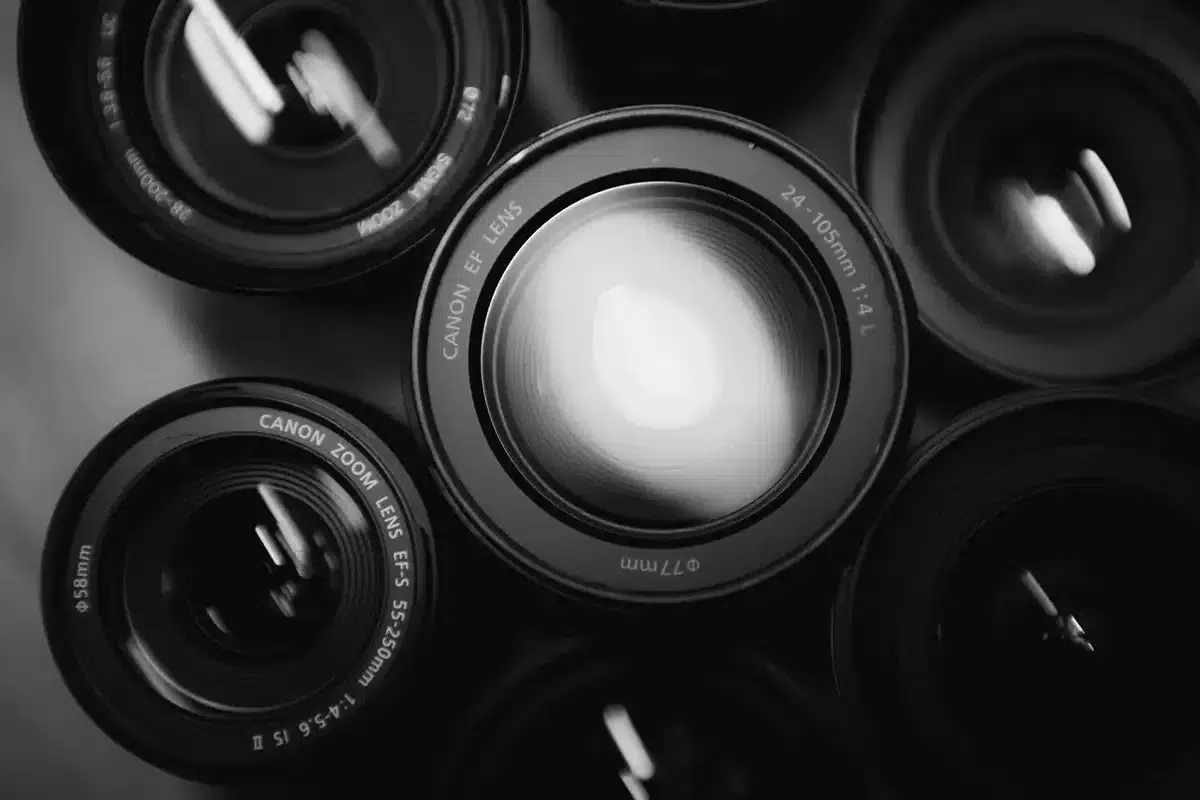
Must-Have Accessories for Travel Photography
Who hasn’t opened their camera bag only to find a dead battery?
It’s the classic mistake every travel photographer makes at least once.
To avoid this, always pack at least one spare battery — or two if you’re going off-grid for a few days.
Official batteries are the most reliable, but third-party brands like Wasabi or Patona also perform well and cost much less.
 Traveler’s Tip : Always keep a fully charged battery in your pocket when it’s cold — low temperatures drain batteries much faster than you’d think.
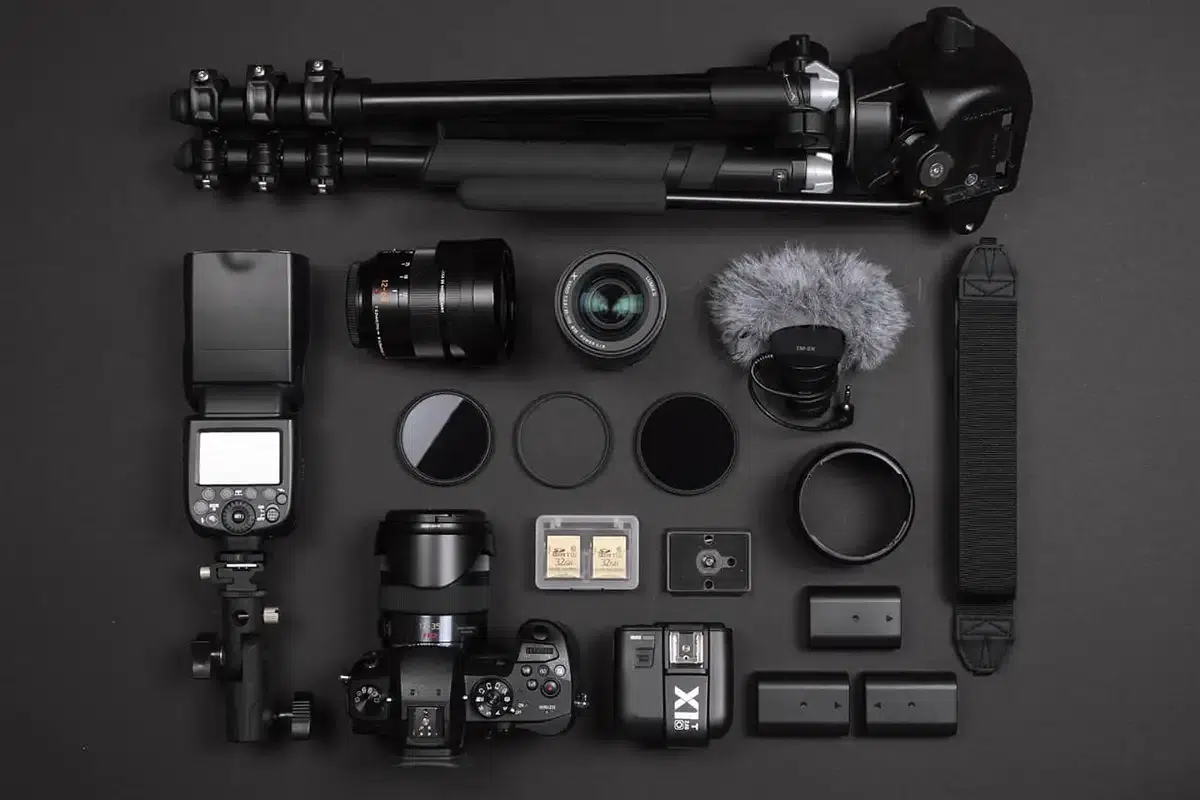
Gear to Take Your Travel Photography Further
Beyond your main camera setup, a few extra tools can completely transform your travel shots.
Here are my top recommendations for capturing every kind of moment — from ground-level action to breathtaking aerial views.
GoPro HERO13 Black – Capture Action Without Limits
The GoPro HERO13 Black is built for adventure and extreme travel.
Thanks to its versatile mounting options, you can strap it to your chest, helmet, or handlebar — hands-free, focused entirely on the experience.
It’s waterproof, shock-resistant, and designed to thrive in tough environments.
Perfect for: surfing, hiking, mountain biking, or any moment where a traditional camera just can’t follow.
Insta360 X5 – A Fully Immersive Perspective
The Insta360 X5 redefines the way you document a trip.
It records in every direction simultaneously, allowing you to reframe your footage later and explore your surroundings from any angle.
It’s the ultimate choice for immersive vlogs, dynamic panoramas, or creative “time rewind” clips.
Mounts & Accessories – Unique Angles Made Easy
-
Invisible selfie stick (for 360° cameras): creates cinematic floating shots.
-
GoPro 3-Way grip: combines a handle, tripod, and extendable arm, perfect for travel vlogs and action clips.
-
Magnetic mounts or chest harnesses add flexibility while keeping your hands free.
Drone Shots – See the World from Above
Finally, drones add a cinematic aerial dimension to your travel videos and photos.
For 2025, two models stand out:
-
DJI Mini 5 Pro — ultra-portable, stunning image quality, and compact enough to carry anywhere.
-
DJI Mini 4 Pro — still one of the most reliable, high-performing aerial cameras available this year.