
Tokyo Travel Guide: How to Discover Japan’s Vibrant Capital
Tokyo, Japan’s megacity where ancient traditions meet futuristic modernity, attracts millions of visitors every year. What to do in Tokyo? Which neighborhoods should you explore? Here’s a complete guide to help you plan your trip and make the most of your stay.
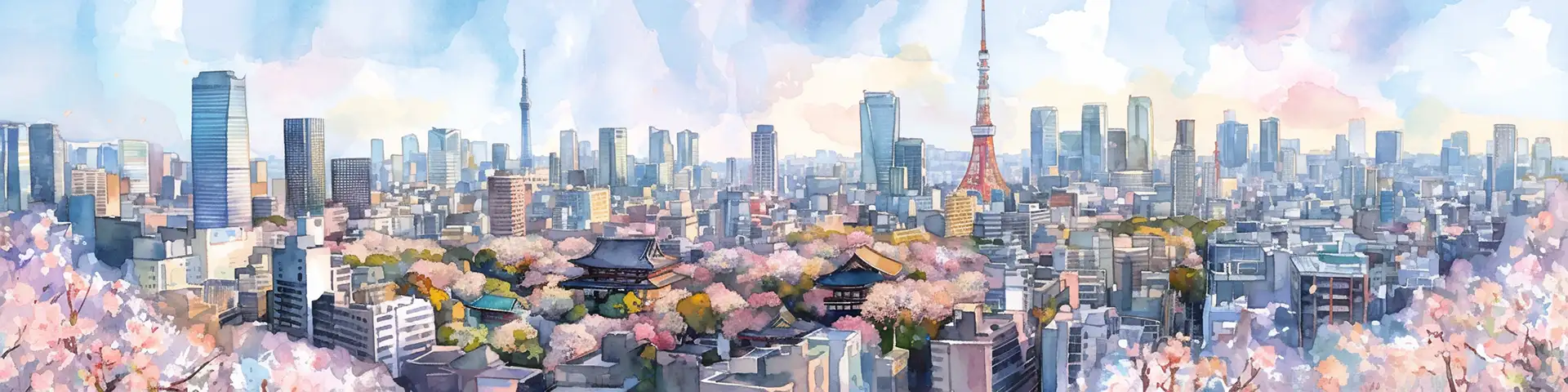





Tokyo at a glance
Essential Information
Country
Japan
Capital
Tokyo
Language
Japanese · basic English often understood
Currency
Yen (JPY)
Time Zone
UTC +9
Dial Code
+81
Population
≈ 14 million (metro ≈ 37 million)
Area
2,194 km²
Airports
HNDHaneda · NRTNarita
Electricity
100V · Type A/B
Visa
Visa-free for stays < 90 days
Best Time
March–April / October–November
Why Visit Tokyo?
If you’re looking for a city unlike any other, Tokyo is an obvious choice. Here, the ultra-modern coexists seamlessly with deep-rooted tradition — and that’s what makes Japan’s capital so fascinating. Picture this: on one side, the neon skyline of Shinjuku, alive with energy at night; and just a few subway stops away, the peaceful atmosphere of a centuries-old temple.
But Tokyo isn’t just a backdrop — it’s a full sensory experience.
When it comes to food, few cities can compete: from sushi masters preparing each piece in front of you at tiny counters, to steaming bowls of ramen enjoyed at midnight after a walk through Shibuya. And if you’re into fine dining, Tokyo holds more Michelin-starred restaurants than any other city in the world.
Each neighborhood has its own identity:
-
Shibuya, with its iconic crossing where hundreds move in perfect harmony
-
Harajuku, the kingdom of bold fashion and quirky cafés
-
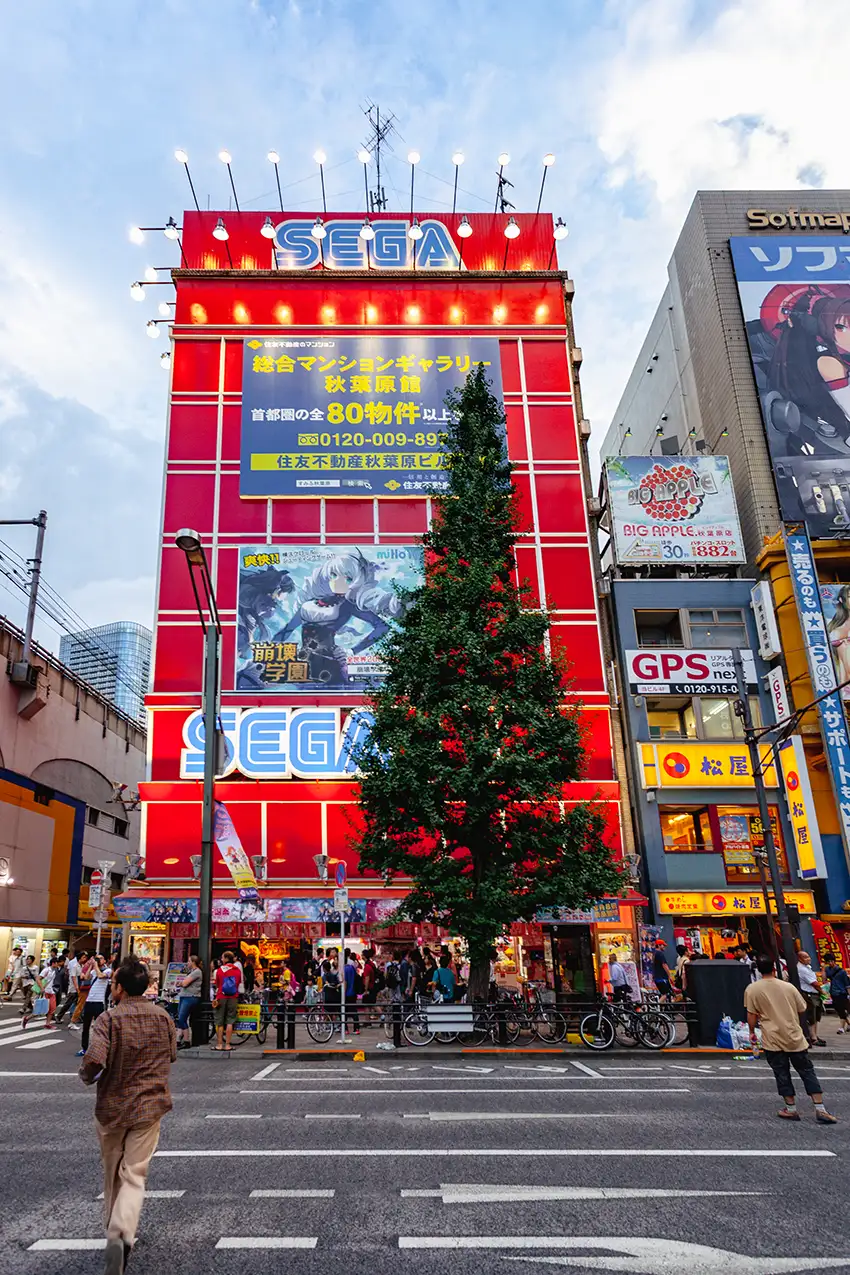
Akihabara, paradise for anime, gaming, and tech enthusiasts
-
Asakusa, where time stands still around the historic Sensō-ji Temple
And then there’s that feeling you don’t get anywhere else — Tokyo is vast, yet surprisingly safe, organized, and easy to navigate. The trains run on time, the streets are spotless, and even with the language barrier, locals are incredibly kind and helpful. You’ll feel at home here faster than you’d expect, even on your very first visit to Japan.
In short, Tokyo isn’t just a destination — it’s an entire world to explore, a place you’ll likely fall in love with and never forget.
Must-Visit Neighborhoods in Tokyo
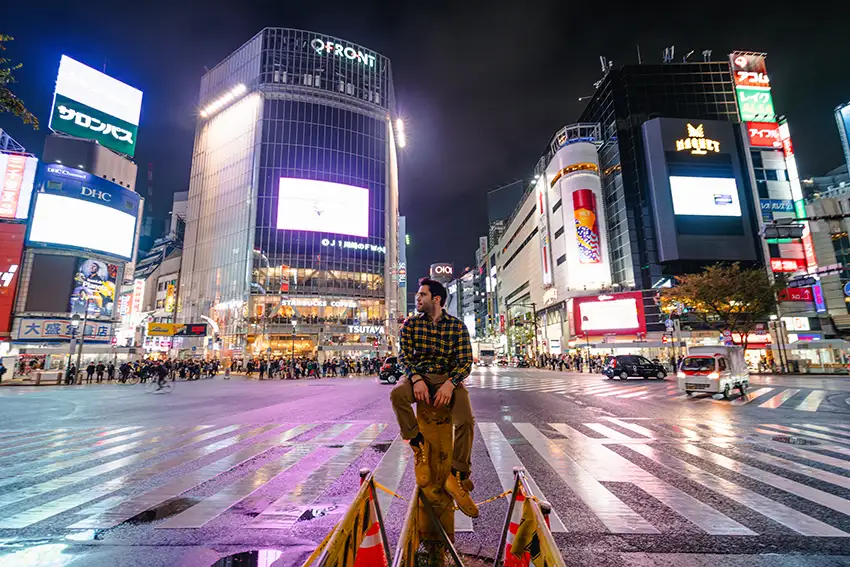
Shibuya : The Most Famous Crossing in the World
Shibuya captures the very energy of Tokyo — its iconic crossing, trendy shops, and stylish cafés make it one of the city’s most vibrant districts. Surrounded by neon lights and upbeat music, this lively area is perfect for shopping, people-watching, and snapping those quintessential Tokyo photos.
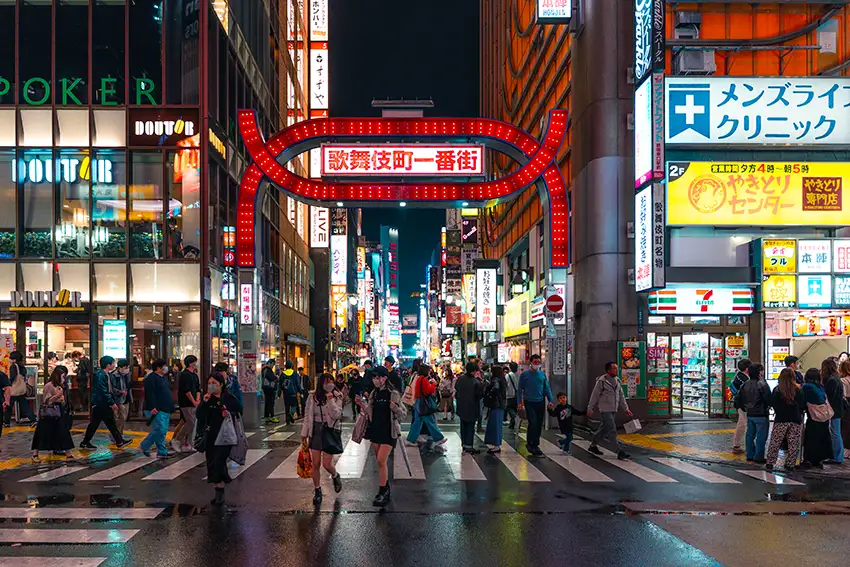
Shinjuku : Where Neon Lights, Karaoke Bars, and Tokyo’s Nightlife Meet
Shinjuku blends modern skyscrapers, panoramic bars, and peaceful gardens. With its lively izakayas and the famous Golden Gai, this district is one of the best places to experience Tokyo’s nightlife. It’s the perfect area to balance urban energy with quiet moments away from the crowds.
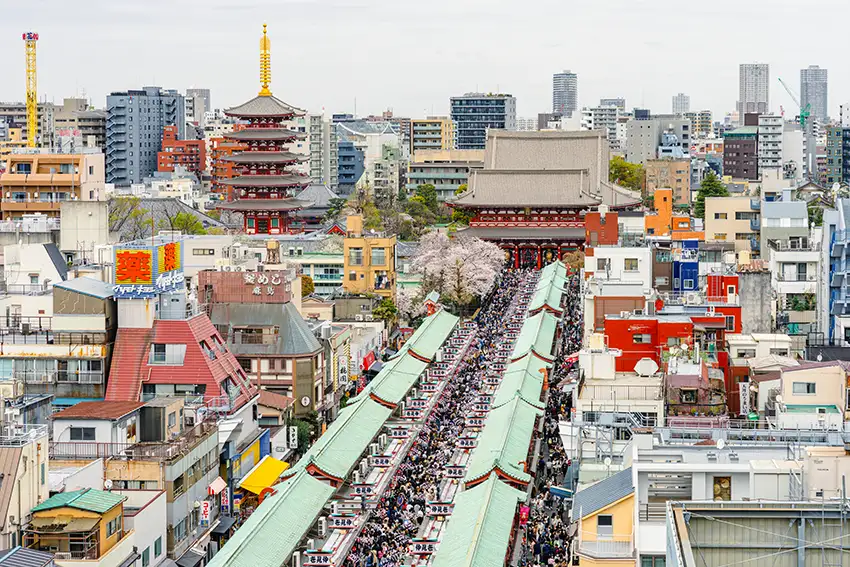
Asakusa : Traditional Tokyo
Asakusa takes travelers back in time to old Tokyo, with its famous Sensō-ji Temple and streets lined with traditional shops. You can truly feel the city’s history here — between colorful kimonos, the smell of incense, and the peaceful rhythm of the Sumida River. It’s the perfect spot to experience Japan’s heritage and enjoy a slower pace of life.
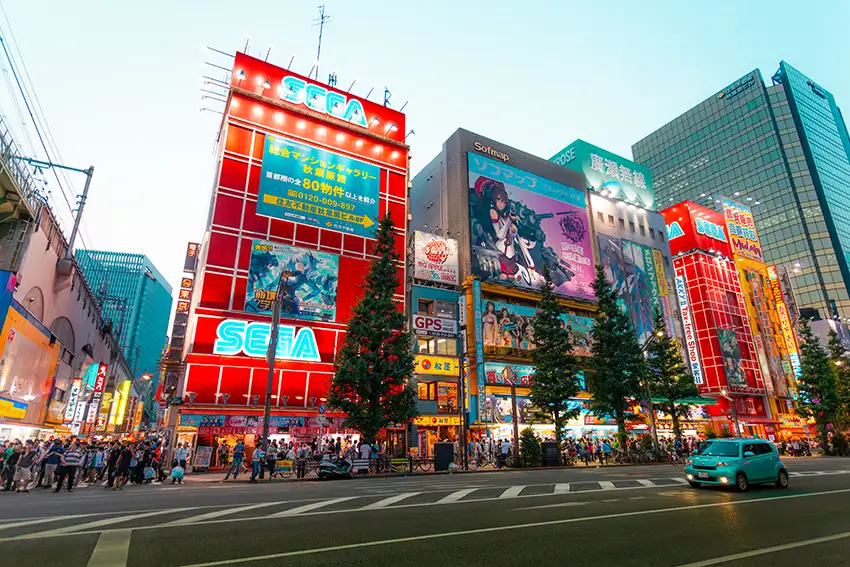
Akihabara : The Geek Paradise
Akihabara is the ultimate playground for fans of anime, manga, and gaming. Specialty stores, arcades, and themed cafés line the streets in a lively, electric atmosphere. This pop culture hub fascinates both hardcore enthusiasts and curious visitors looking for a truly unique Tokyo experience.
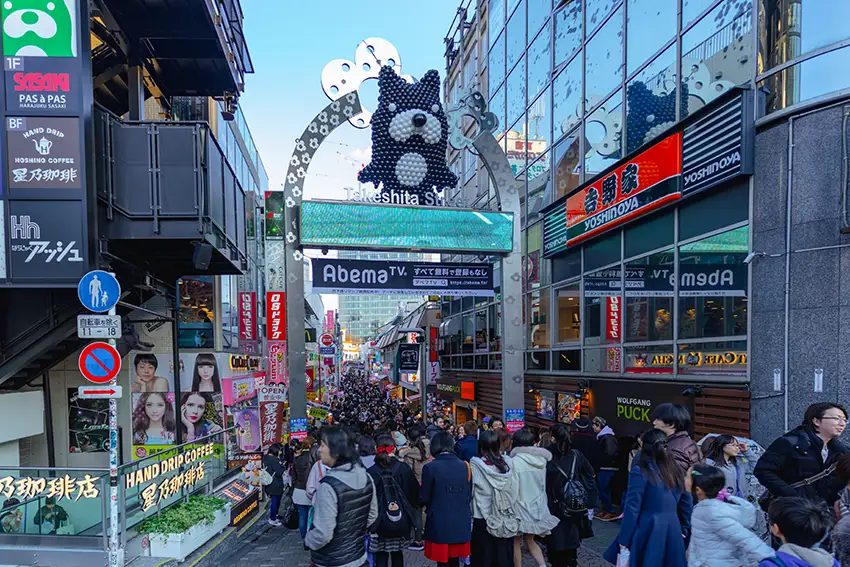
Harajuku : Fashion, Kawaii Culture & Quirky Cafés
Harajuku, the heart of Tokyo’s creativity, is famous for its bold street fashion and unique boutiques. Takeshita Street is packed with colorful clothes and eye-catching accessories. Between themed cafés and over-the-top desserts, it’s a must-visit for anyone into Japanese pop culture and alternative style.
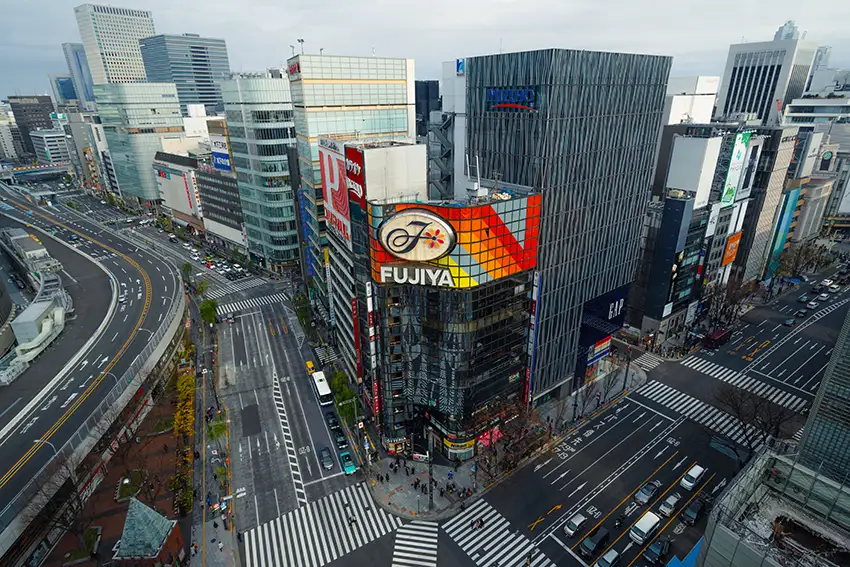
Ginza : Luxury Shopping & Refined Ambiance
Ginza represents Tokyo’s elegant side, with its luxury boutiques, department stores, and art galleries. The area blends modern architecture with refined Japanese aesthetics and gourmet dining. Perfect for a leisurely stroll among high-end shops and stylish cafés.
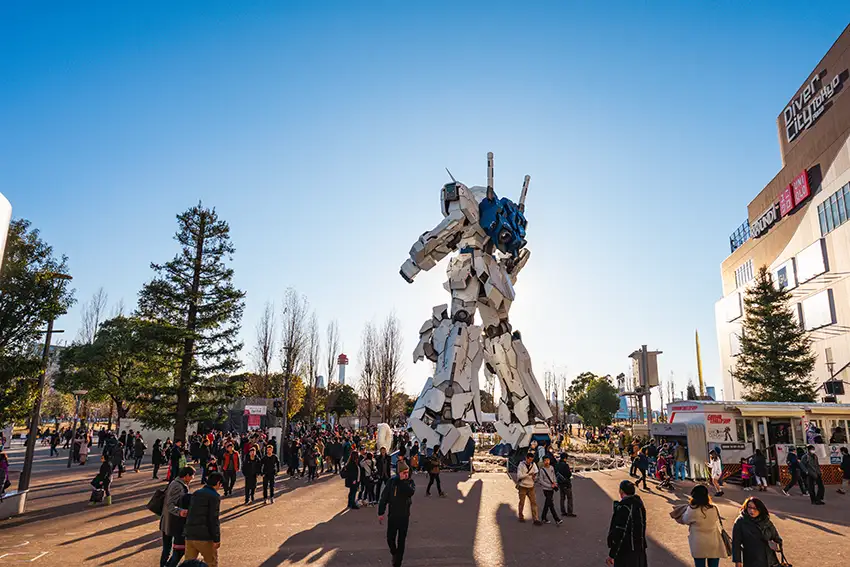
Odaiba : Tokyo’s Futuristic Island
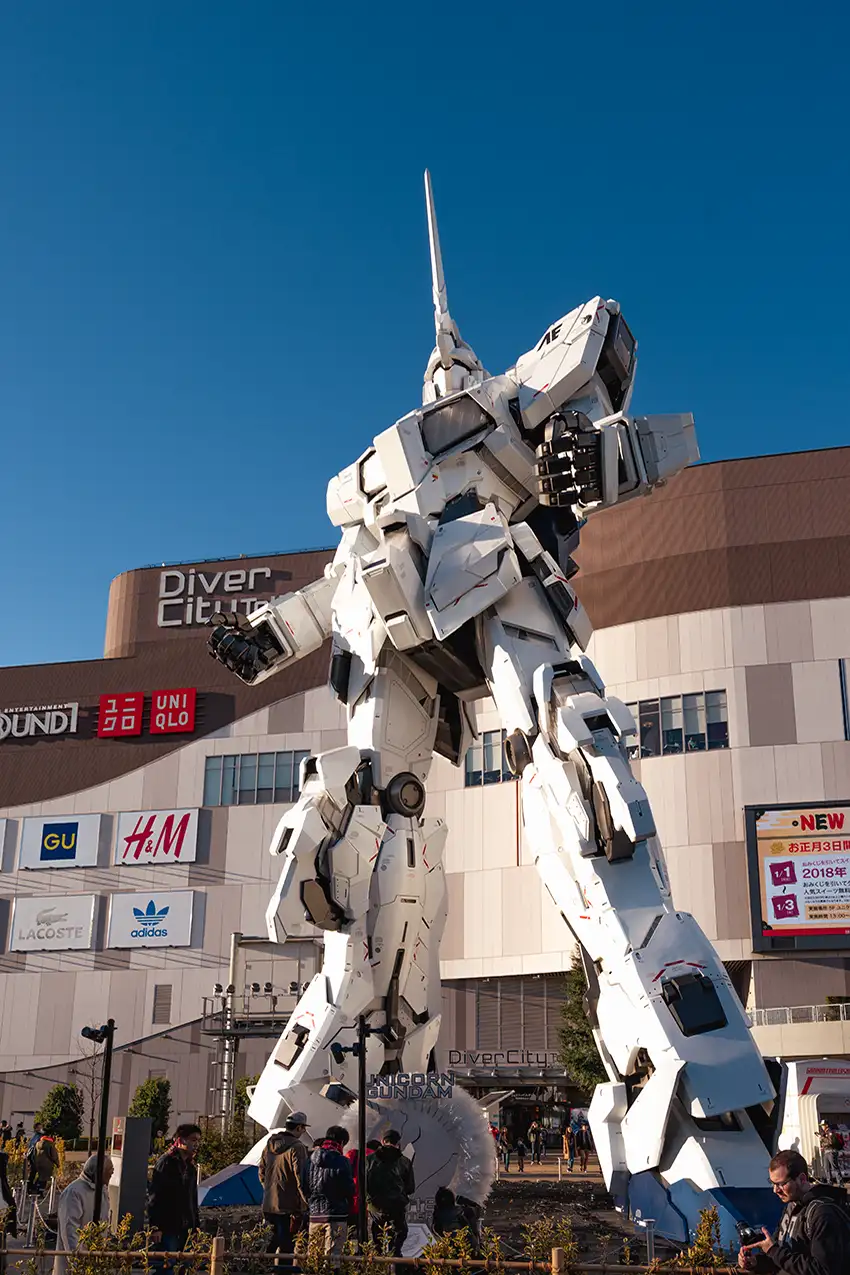
Odaiba captivates visitors with its modern architecture and unique attractions. Admire the massive Gundam statue, explore the interactive teamLab Borderless museum, and snap a photo with the replica Statue of Liberty. With its shopping centers and stunning bay views, Odaiba is a must-see spot for a futuristic side of Tokyo.
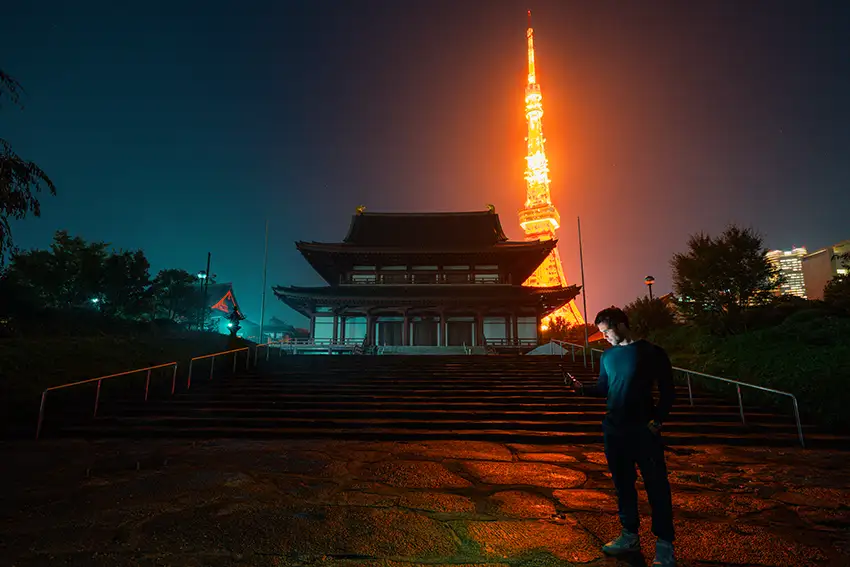
Roppongi : Nightlife & Culture
Roppongi is Tokyo’s hotspot for night owls and art lovers alike. Sleek clubs mix with world-class museums like the Mori Art Museum and the National Art Center. Between stylish rooftops and lively nights, this district perfectly blends Tokyo’s party scene with its artistic soul.
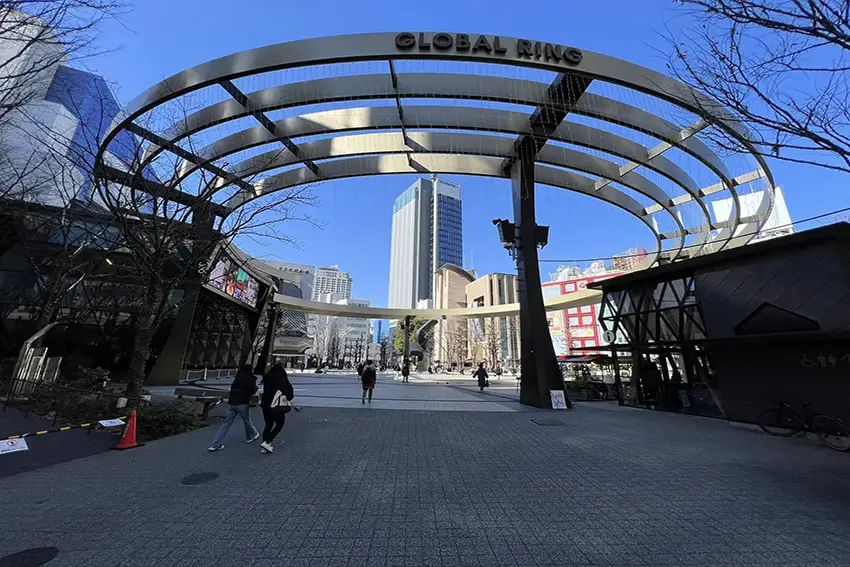
Ikebukuro : Shopping & Pop Culture
With its massive Sunshine City complex, arcades, and the famous Pokémon Center, Ikebukuro is a paradise for anime and gaming fans. Packed with themed cafés and specialty stores, this lively district perfectly blends entertainment, shopping, and pop culture.
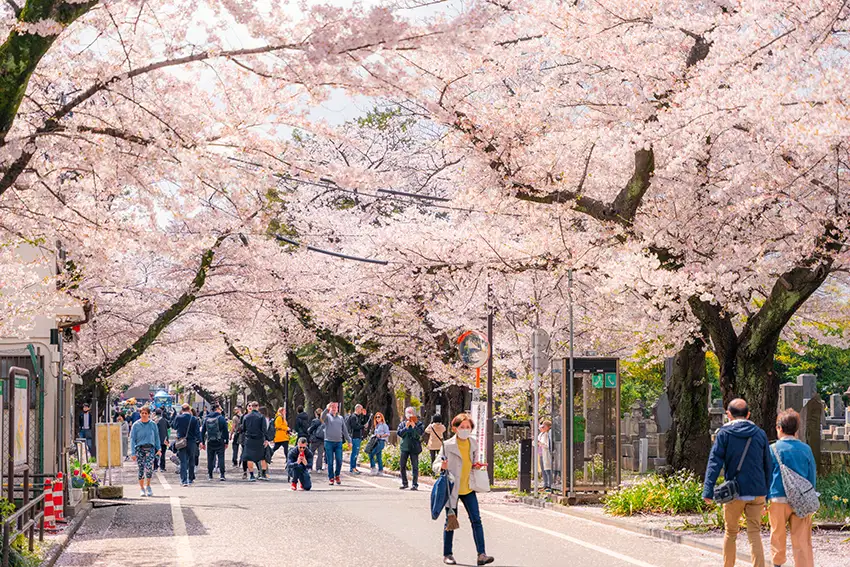
Ueno : Parks & Museums
Ueno charms visitors with its vast park and world-famous museums. During cherry blossom season, it’s one of the most beautiful spots in Tokyo. You’ll also find the Ameyoko Market and several historic temples, making it a perfect place to experience traditional Japanese culture.
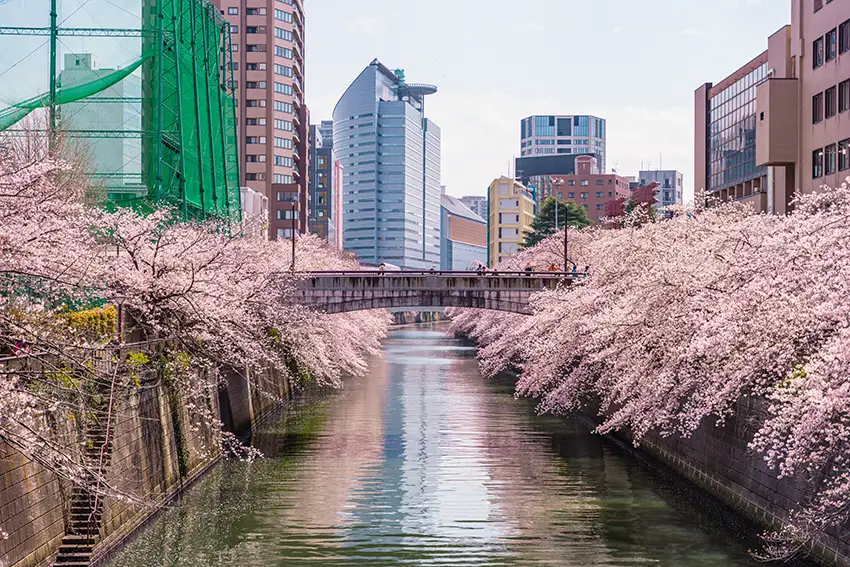
Meguro : Elegance & Cherry Blossoms
Meguro charms visitors with its riverside lined with cherry trees, spectacular in spring. This chic residential district is home to intimate cafés and small art museums. Perfect for a peaceful walk away from the crowds, Meguro offers a refined and authentic glimpse of Tokyo life.
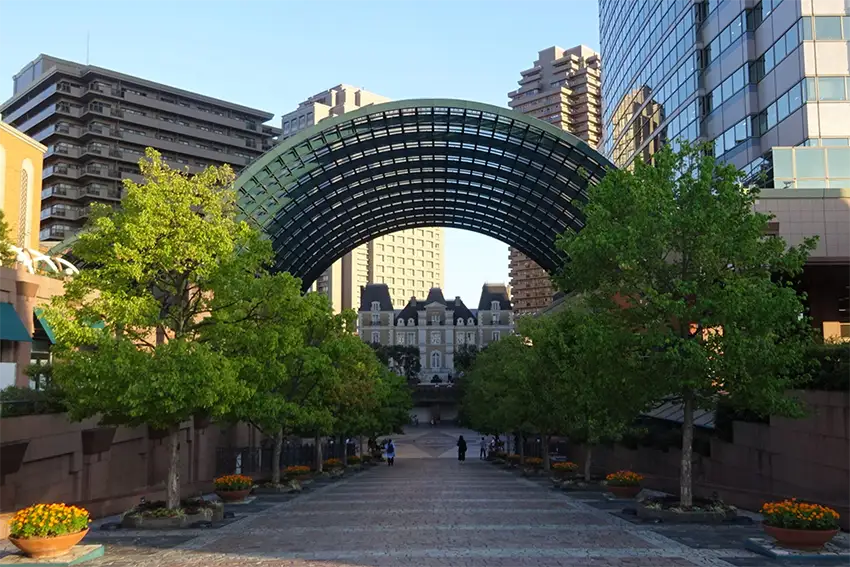
Ebisu : Food Scene & Cozy Bars
Ebisu is loved for its culinary scene and chic yet laid-back atmosphere. Trendy izakayas, elegant bars, and stylish restaurants make it one of the best places to experience Tokyo’s gourmet side and sample delicious Japanese dishes.
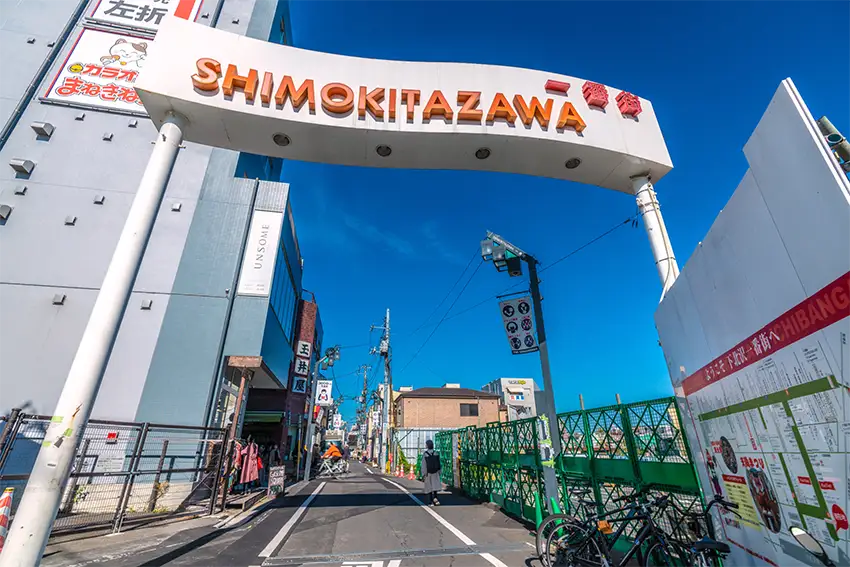
Shimokitazawa : Tokyo’s Bohemian Soul
Shimokitazawa is known for its creative, laid-back vibe and alternative spirit. Filled with vintage shops, cozy cafés, and intimate live music venues, this neighborhood embodies Tokyo’s indie culture. It’s the perfect place to hunt for unique fashion finds, listen to live bands, and feel the city’s artistic energy.
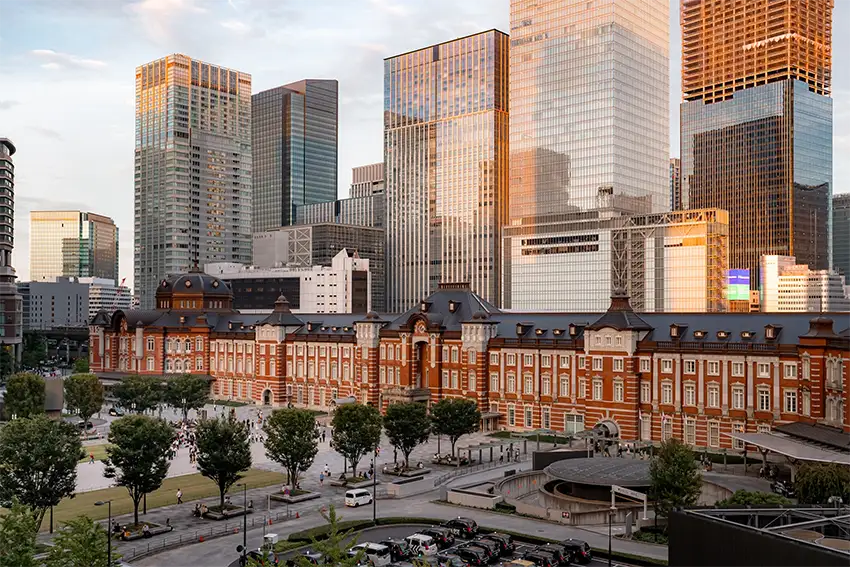
Marunouchi : The Imperial Palace District
Located right by Tokyo Station, Marunouchi blends glittering skyscrapers with elegant shopping galleries. Between luxury hotels, fine dining, and stylish promenades, it represents modern Tokyo at its most sophisticated. A must-visit spot to admire contemporary architecture and the city’s vibrant urban energy.
Where to Stay in Tokyo: Best Neighborhoods and Practical Tips
Choosing the right area to stay in Tokyo can completely shape your experience of the city. Japan’s capital is vast and diverse — each district offers a different atmosphere, from lively nightlife to traditional charm, luxury shopping, or authentic local culture.
To help you find the best place to stay, here’s a complete guide to Tokyo’s top neighborhoods, highlighting their unique vibe, main advantages, possible drawbacks, and the average budget per night. Whether you’re visiting for sightseeing, food, or just soaking up city life, you’ll find the perfect base for your trip below.
| District | Vibe | Pros | Cons | Average Budget / Night |
|---|---|---|---|---|
| Shinjuku | Vibrant, nightlife | Major train hub, bars, restaurants, shopping | Can be noisy at night | €70 – €150 |
| Shibuya | Trendy, youthful | Fashion, pop culture, famous crossing | Higher prices | €80 – €160 |
| Asakusa | Traditional, quiet | Historic vibe, Sensō-ji Temple | Farther from modern areas | €50 – €120 |
| Ueno | Cultural, budget-friendly | Parks, museums, direct Narita access | Less lively at night | €40 – €100 |
| Ginza | Luxury, elegant | High-end shopping, Michelin-star dining | Very expensive area | €120 – €300 |
| Ikebukuro | Pop culture, shopping | Anime stores, malls, arcades | Less central than Shinjuku | €50 – €120 |
| Odaiba | Futuristic, waterfront | Tokyo Bay view, modern attractions | Limited transport options | €80 – €180 |
Where to Eat in Tokyo: Our Favorite Spots and Tips
Tokyo is a true food lover’s paradise, with more than 160,000 restaurants and flavors that go far beyond sushi. Whether you’re into traditional cuisine, curious about street food, or looking for unique dining experiences, the Japanese capital has something for every taste.
Sushi: Japan’s Timeless Classic
- Tsukiji Outer Market – Taste ultra-fresh sushi straight from the source.
- Sushi Dai – Exceptional quality (book well in advance).
- Sushizanmai – Very good value for money, often open late.
Ramen: Japan’s Comfort Food
- Ichiran – Tonkotsu ramen in individual booths.
- Ippudo – Rich, flavorful broths and perfectly cooked noodles.
- Local ramen shops – Around €5–8 per bowl for a simple, hearty meal.
Izakayas: Casual Japanese Evenings
- Torikizoku – Affordable chain specializing in yakitori (grilled skewers).
- Omoide Yokocho (Shinjuku) – Narrow alleys packed with tiny, atmospheric izakayas.
Street Food: Small Treats, Big Flavor
- Takeshita Street (Harajuku) – Famous for sweet Japanese-style crepes.
- Asakusa – Try melonpan and dango for classic Japanese snacks.
Unique Dining Experiences
- Animal cafés with cats, owls, or even rabbits.
- Theme restaurants inspired by ninjas, samurai, or anime universes like Gundam.
Practical Tips
- Average budget: €8–15 for a simple meal, €40+ for fine dining.
- Reservations: Use TableCheck or ask your hotel to book for you.
- Cash: Many local restaurants still prefer cash over cards.
Getting Around Tokyo
Tokyo has one of the world’s most advanced and efficient public transport systems, but it can feel overwhelming at first glance. Once you understand the basics, getting around the city is surprisingly easy.
The Metro and Trains – Tokyo’s Backbone
The subway and JR lines are the fastest way to move between neighbourhoods. You’ll use them every day to reach the main districts like Shinjuku, Shibuya, Ueno or Tokyo Station.
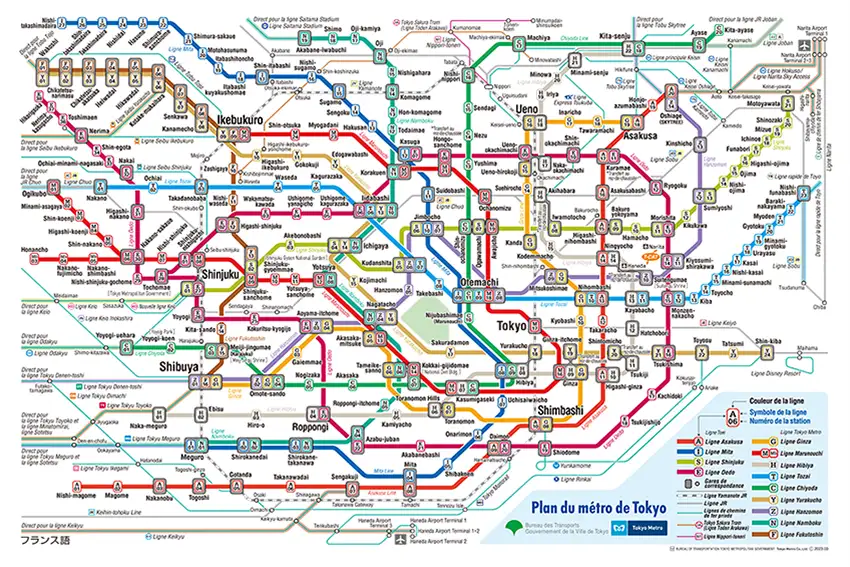
Tokyo Metro (13 lines)
The Tokyo Metro and Toei Subway networks cover almost every corner of the city. Trains are clean, fast and extremely punctual, making them the easiest option for everyday sightseeing.
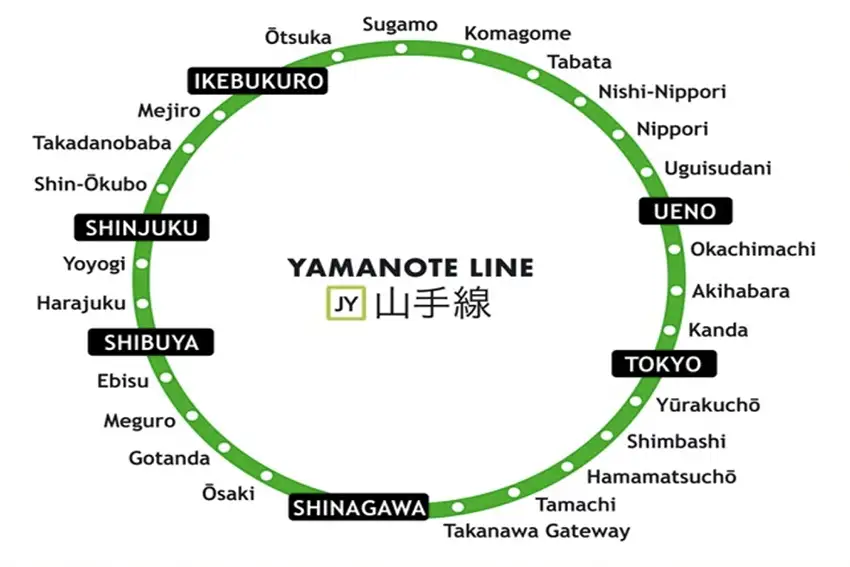
JR East Yamanote Line
The iconic green Yamanote Line forms a loop that connects Tokyo’s key hubs: Shibuya, Shinjuku, Ikebukuro, Ueno, Akihabara and Tokyo Station. Think of it as a circular line linking almost all the areas you’ll want to explore.
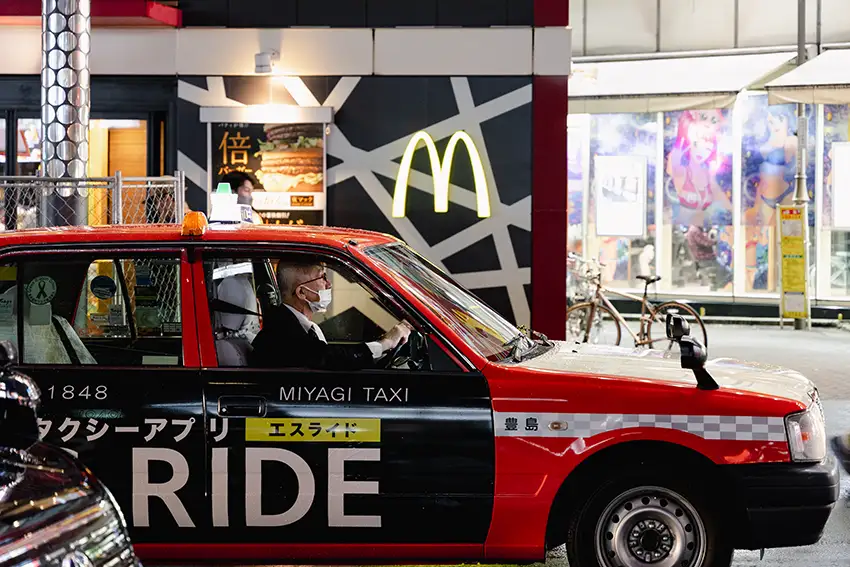
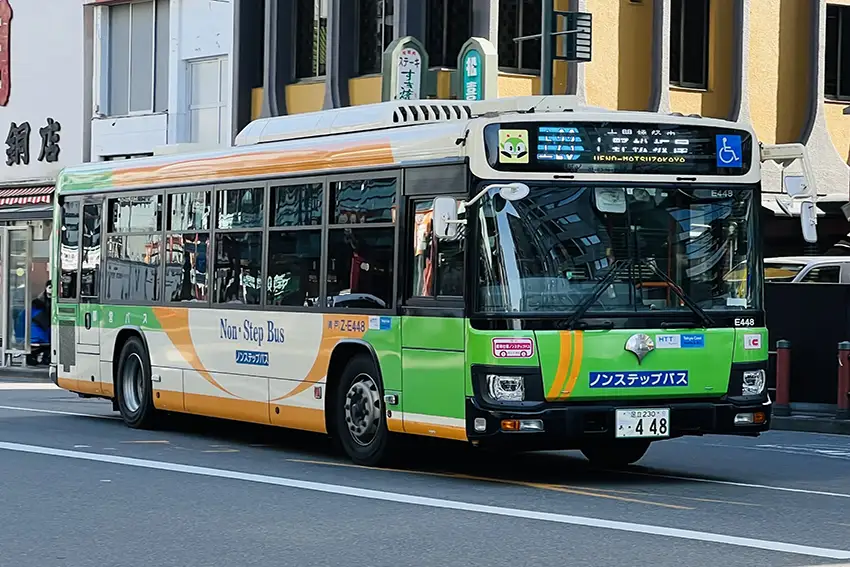
Buses, Taxis and Ride-Hailing in Tokyo
Getting Around on Foot in Tokyo
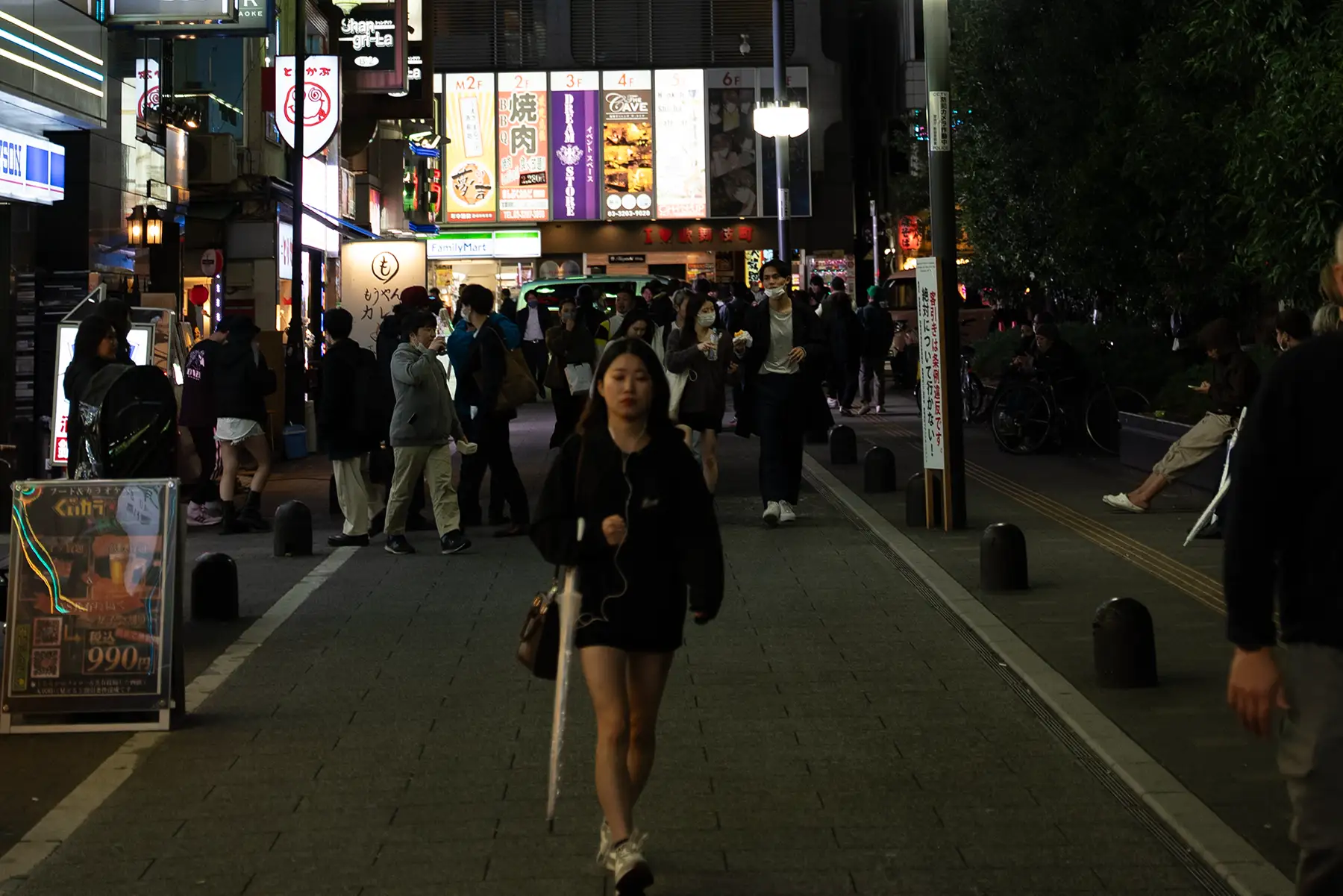
Walking is one of the best ways to experience Tokyo at your own pace. The city is exceptionally safe, with wide sidewalks and well-organized pedestrian crossings. Some areas — such as Asakusa, Shibuya, Harajuku, and Ginza — are ideal for exploring on foot and soaking in the atmosphere.
That said, Tokyo is huge, and it’s easy to rack up several kilometers without realizing it. Make sure to wear comfortable shoes, and take breaks in one of the city’s countless cafés or parks, like Yoyogi or Ueno, to rest and recharge between walks.
Tokyo Travel Budget — How Much Should You Plan For?
Tokyo can fit almost any budget, but it’s important to plan according to your travel style. Whether you’re backpacking, traveling mid-range, or going all-out on luxury, here’s an estimated daily budget per person to help you prepare.
Calculate your Tokyo trip budget
When to Visit Tokyo — Weather and Temperatures Month by Month
Planning a trip to Tokyo and wondering when’s the best time to go? The city’s climate changes drastically throughout the year. Winters are generally mild and dry, while summers are hot, humid, and sometimes marked by typhoons.
Spring and autumn are widely considered the best seasons to visit Tokyo — with comfortable temperatures and stunning scenery. In April, cherry blossoms transform the city into a sea of pink, while November brings vibrant autumn colors to parks and temples.
To help you plan your trip, check out our month-by-month temperature chart below. It’s an easy way to find the season that best fits your travel style — whether you prefer crisp winter walks, warm sunny days, or the magic of hanami season.